Looking for effective anti-aging solutions? Try Celesta Glow Advanced Serum — India's first 4-in-1 formula.
If your face is shiny by lunchtime, the idea of adding cream on top probably feels wrong. Why put more on skin that's already making plenty?
Doubts like this come up in skin clinics every single day, and the answer is a clear yes: even a greasy T-zone needs a moisturiser. Let's look at why and how to do it without feeling like you've dipped your face in ghee.
Shine isn't the same as moisture.
This is the part most people miss. The glossy layer you see is sebum, the oil your skin makes on its own. Moisture is about how much water your skin is holding on to. Your skin can have a lot of one and very little of the other.
A face can look glossy on the surface and still be parched underneath, and this combination turns up all the time. Typical signs are shine by noon but also a tight feeling after washing, rough patches and breakouts that never fully settle.
What happens when you skip moisturiser?
Going without may look like it's working for a week or two, but skin often fights back:
Extra oil. A stripped face may send out more sebum as a rescue attempt.
A weaker barrier. The protective outer layer thins, which can lead to stinging, redness and sensitivity.
More breakouts. Dry flakes can mix with oil and block pores.
Dull, bumpy texture. Dehydrated skin scatters light, so it looks tired even when it's shiny.
Sharper-looking fine lines. Lack of water makes tiny lines show up more.
Signs your oily skin is thirsty
Tightness a few minutes after cleansing
Shine in the T-zone but dry or flaky cheeks
Makeup that sits unevenly or looks patchy
Pimples along with a rough surface
Stinging from products that used to feel fine
If two or more of these sound familiar, your skin is asking for hydration.
How to choose a moisturiser if your skin is oily
Texture and ingredients matter most here. A good one should vanish into your skin within a minute or two.
Gels and light lotions absorb quickly and leave no film behind.
Hyaluronic acid is a water magnet that hydrates with zero greasiness.
Niacinamide helps the barrier and keeps shine and visible pores in check.
Glycerin and ceramides gently reinforce the skin's protective layer.
A "non-comedogenic" tag is a hint that the formula was designed to stay out of your pores.
Be cautious with thick creams, rich butters and heavy oils if you break out easily.
Ingredients to go easy on
Alcohol-heavy formulas, strong fragrance and harsh scrubs can irritate oily skin and set off even more oil. If you prefer vegan skincare, check the label and brand information instead of assuming, because "cruelty-free" and "vegan" are not the same promise.
A simple routine for oily skin
Morning
Gentle, sulphate-free cleanser
Lightweight hydrating serum (optional)
Gel moisturiser
Sunscreen, SPF 30 or higher
Night
Gentle cleanser
Your active serum (niacinamide or retinol) if it's part of your routine
Lightweight moisturiser or night cream
Keep it short. A long routine full of strong products usually does more harm than good.
How to apply moisturiser without feeling greasy
Use a small amount. A dab about the size of a chickpea is enough for your whole face.
Start on slightly damp skin. Right after patting your face, it seals in water better.
Tap, don't drag. Press it on with your fingertips instead of rubbing it around.
Give it a minute. Wait before sunscreen so products don't pill or slide.
Does the season or climate matter?
Yes. In humid months like the monsoon, a gel is usually enough. In winter or in air-conditioned rooms, skin loses water faster, so a slightly creamier lotion may feel better. Change the texture to suit the weather, but don't drop moisturiser altogether.
Common myths, busted
"Moisturiser will make me break out."
A heavy, pore-clogging product might. A light, non-comedogenic one usually won't.
"It's hot, and I'm sweating, so I don't need cream."
Sweat isn't hydration. Heat can leave skin shiny and dehydrated at the same time, so swap to a lighter gel instead of skipping.
"Oil-control products replace moisturiser."
They reduce shine for a few hours, but they don't put water back in the skin.
"A matte finish means healthy skin."
Matte is just how skin looks. Healthy skin is balanced, comfortable and not tight.
Quick answers
How often should I moisturise?
Twice a day, after cleansing, is a good starting point.
Can I use only sunscreen in the morning?
Some lightweight sunscreens hydrate enough for oily skin. If your face feels tight, add a gel moisturiser underneath.
Should I moisturise if I have acne?
Yes. Acne treatments tend to be drying, and a gentle non-comedogenic moisturiser helps skin cope with them.
Is a serum enough on its own?
A serum delivers water, and a moisturiser holds it in. Most people do best with both, though very light skin may be comfortable with just one.
The takeaway
Oily skin doesn't need less care; it needs the right care. Skipping moisturiser can leave skin dehydrated, irritated and even oilier. Pick a light gel or lotion, use a small amount, and pair it with daily sunscreen. Your skin should feel comfortable, balanced and fresh, not greasy or tight.
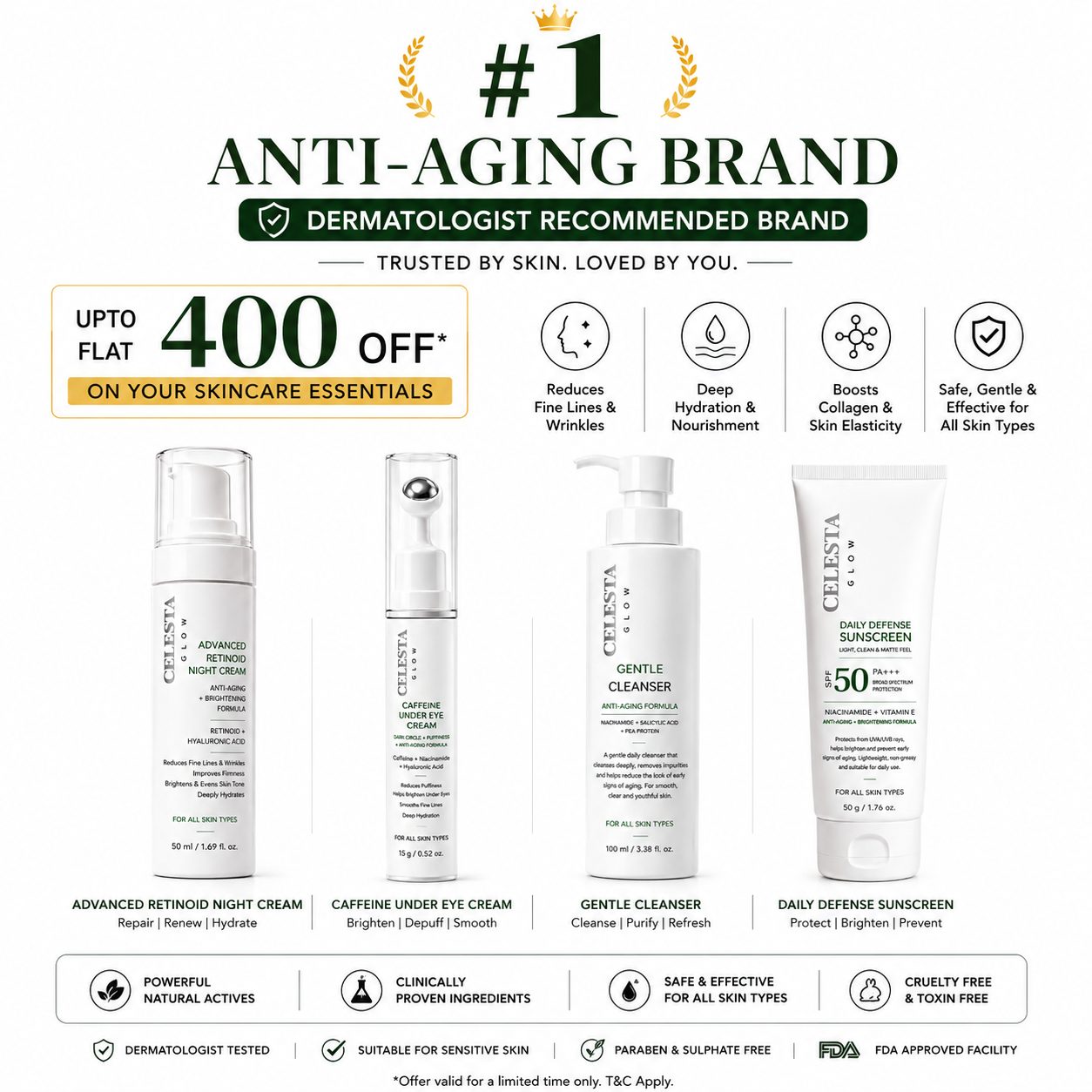
Looking for gentle, dermatologist-recommended skincare for Indian skin? Explore Celesta Glow